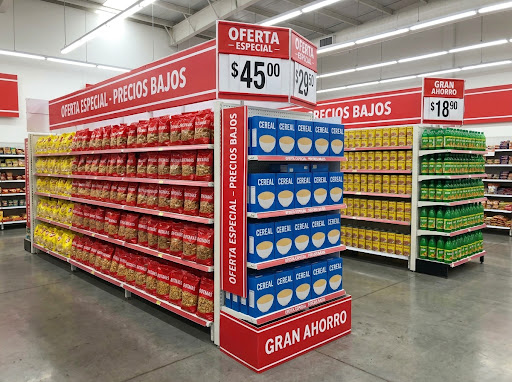
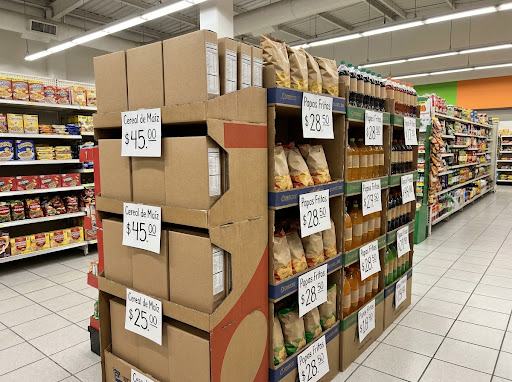
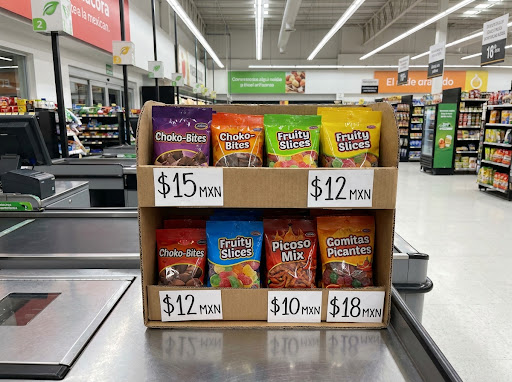
Metrix coordinates agencies, field installers and photographic evidence of POP material across more than 20,000 points of sale. Your organization has verifiable information on what was installed, where, when and in what condition.
Every photograph is tied to store, campaign, date, time and location.
Between the brand’s work order and the installation of POP material in store there are agencies, field installers and many metro areas in between. Metrix turns that stretch into measured information: every visit leaves a record, and every record updates campaign progress as it happens.
View a campaign dashboardEvery capture by the field installer updates campaign progress instantly. The summary is no longer compiled by hand.
Instead of reports that arrive days late.
Every photograph arrives stamped with store, date and location. Evidence is audited one by one, without relying on anyone’s word.
Instead of images sent through informal channels.
The percentage of stores actually served during the period is a measured figure, with the detail of what is missing and where.
Instead of an estimated figure.
Brand, agency and field installer work from the same list and the same store naming.
Instead of three lists that do not reconcile.
The file becomes campaigns, stores and periods. The system validates the information and shows the changes before applying them; uploading the same file again does not create duplicates.
Each agency has its own assigned stores. As it registers its field installers, the agency–store–person mapping is generated automatically.
The field installer records the evidence from the mobile app at the point of sale. Each file is tied to store, campaign, date, time and location, with deferred sync in areas without signal.
Dashboards, a coverage map and exportable reports. Each area sees only the modules and data that correspond to it.
A single dashboard with the status of every store in the country where the campaign runs — Mexico, in this example —: what was installed, what has an issue and what is still pending. The figure updates as the field installer captures in store.
Scroll the map to see it in full.
State boundaries by INEGI codes. The shading indicates how many campaign stores are in each state; each dot is one of the 64 metro areas, sized by its number of stores.
Figures from a sample campaign, for illustration only.
Each module has its own permissions and dashboards. Activation is configured per client and per area, without affecting the rest of the platform.
Point-of-purchase (POP) material: campaign setup, store assignment, installation and photographic evidence of the build.
In-store activations and experiences: scheduling, floor staff and results reporting by event.
Outdoor spaces and the store perimeter, under the same evidence and follow-up model.
Isolation does not depend on the interface: it is enforced in the database. A malformed query does not return another client’s information.
Every query runs under the context of the client in session, with policies enforced in PostgreSQL.
Roles scoped to internal, client and agency. Without the corresponding permission, the module does not appear in the menu.
Two-step verification through an authenticator app and backup codes, enforceable per client.
A record of who uploaded, corrected and approved each action, with a timestamp. Evidence cannot be modified without leaving a trace.
Deployed on Google Cloud, with backups and automatic scaling according to campaign load.
An independent status page reporting service availability, measured from outside.
A 30-minute demonstration with real data from a sample campaign. No installation required.